How to set up new business in Wisconsin?
Ready to break through the barriers of starting a business in Wisconsin? This guide is your key. Unlock the essentials: from naming your venture to legal must-dos and customer acquisition. We've distilled the process into actionable steps. Your dream business in Wisconsin isn't just possible—it's inevitable.
- Selecting an appropriate business name
- Registration processes for your company
- Understanding tax obligations
- Valuable tips and insights
- & more
Are you from another state?
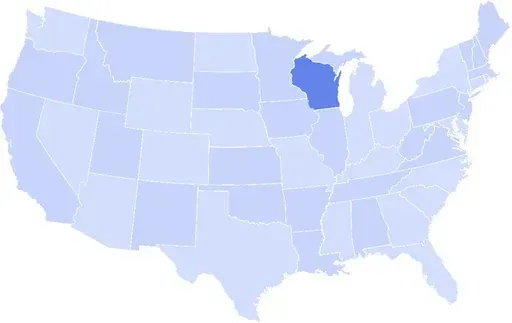
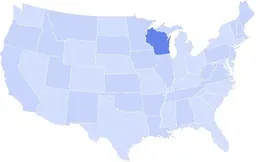
Check out other guides if you need more detailed information about different states. You can click the state you are interested in on our map or choose it from the list below.
Choose your company name
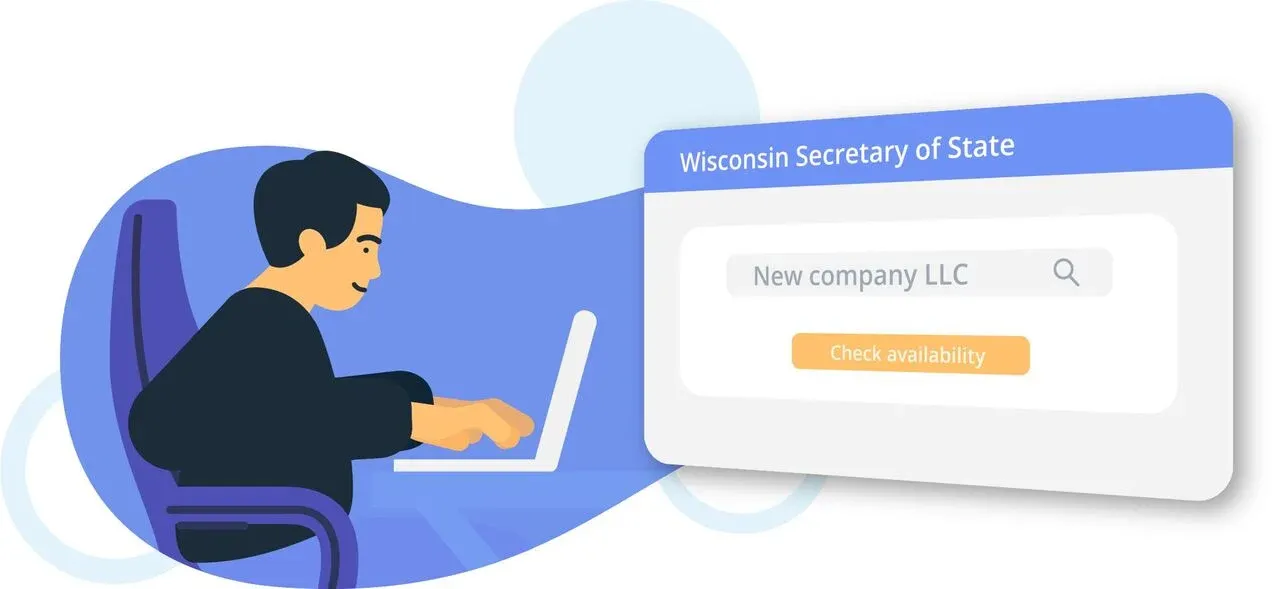
Ready to start your Wisconsin venture with the perfect name? It's not just a label; it's your business identity. But beware—naming isn't as simple as it seems. Your name must be unique, as verified by a search in the Wisconsin Department of Financial Institutions' database. Furthermore, if you're forming an LLC, the name must end with 'LLC,' 'L.L.C.,' or 'Limited Liability Company.
- Uniqueness: It's not just advisable; it's legally required
- Memorability: A name that's easy to remember aids in branding
- Alignment: Ensure your name aligns with your brand's values
- Legal Requirements: Your name must meet Wisconsin's specific naming laws
Your business name is your brand's first promise. Deliver it well.
Select a business form
Ready to lay the foundation for your Wisconsin business? The structure you choose is more than a formality; it's a strategic decision that impacts taxes, liability, and even your day-to-day operations. Choose wisely.
- Sole Proprietorship: The simplest form offers complete control and total liability. It is ideal for solo entrepreneurs who want to keep things straightforward
- LLC (Limited Liability Company): Offers a balance of liability protection and tax flexibility. It's the go-to choice for small to medium-sized businesses
- Partnership: Suited for businesses with multiple owners. It allows shared responsibility but also exposes each partner to business debts
Your choice of structure will be a defining factor in how your business operates and grows.
Generate your website for free
Experience custom website creation like never before. It's quick, it's free, and it's tailored just for your business.
No worries – we'll have everything done in under a minute

Start your journey now
& enjoy the difference
Fill needed documents
Registering your business is fundamental in giving it legal recognition and ensuring adherence to state requirements. The procedure can vary based on your chosen business structure. Below is an overview of the registration process for Wisconsin's sole proprietorships, LLCs, and partnerships. Choose the option that suits your business type to dive deeper into the registration specifics.
Launching a sole proprietorship in Wisconsin? The paperwork is minimal, but each step is crucial. If you plan to operate under your own name, you can start your business without filing any particular documents. However, if you opt for a trade or fictitious name, you must file a 'Certification of Trade Name' with your local County Register of Deeds. The filing fee is $30.
How to File: Visit the County Register of Deeds office in your business's county. Complete the form and pay the fee to make it official.
No Trade Name?: If you're operating under your name, you can start without special filings. Just be aware of any industry-specific licenses or permits you may need.
Licenses and Permits: Some industries require specific licenses or permits, overseen by the Wisconsin Department of Business and Professional Regulation. Always check local regulations for additional compliance.
Employer Identification Number (EIN): If you plan to hire, an EIN from the IRS is essential. Some banks may also require it for a business account.
Your sole proprietorship is not just a venture; it's a legal entity. Navigate these steps wisely for a smooth start.
Wisconsin offers a range of partnership models, each with its own set of legal and financial implications:
General Partnership: Partners assume full liability for business debts. No specific state filing is required to form a General Partnership, but if you're operating under a trade or fictitious name, registration is necessary.
Limited Partnership (LP): Features both limited and general partners. Limited partners have no liability beyond their investment, while general partners maintain full liability.
Limited Liability Partnership (LLP): Offers protection from debts not directly involved with the partnership. Popular among high-liability professionals.
Commencing a Partnership:
Register the Business Name: If you're using a trade or fictitious name, you'll need to register it with the Wisconsin Department of Financial Institutions.
Complete Necessary Paperwork: General Partnerships require a 'Certification of Trade Name.' LPs and LLPs have their own specific registration forms.
Licenses and Permits: Depending on your industry, you may need specific licenses or permits. Always consult local and state regulations for full compliance.
Your Wisconsin partnership is not just a business model; it's a legal framework that dictates your financial responsibilities and protections. Choose wisely and consult experts for a compliant and successful venture
Ready to solidify your Wisconsin LLC? The legal landscape requires precision. Start by filing your 'Articles of Organization' with the Wisconsin Department of Financial Institutions. The filing fee is $130 for online submissions and $170 if you opt for postal mail. This document will include your LLC's name, contact details, and the name and address of your registered agent.
Registered Agent: A non-negotiable requirement. Your agent must either be a Wisconsin resident or a business entity with a physical address in the state. If the agent is based out of state, they must have a business office in Wisconsin.
Annual Reports: Keep your LLC in good standing by filing an annual report. The fee is $25 for domestic LLCs and $80 for foreign LLCs operating in Wisconsin.
Additional Legalities: You may need specific licenses or permits depending on your business type and location. Some LLCs must also register with the Wisconsin Department of Revenue, particularly if you have employees or collect sales tax.
Your LLC is a structured framework that shapes your business's legal and operational landscape. Tread carefully through these legalities for a successful launch.
Obtain EIN
An Employer Identification Number (EIN) is more than just a set of digits; it's your business's social security number. Required by the IRS for tax identification, an EIN is essential for various business activities like opening a bank account, hiring employees, and filing tax returns.
How to Obtain an EIN:
- Online: The quickest way to get your EIN is through the IRS website. The process is free, and you'll receive your EIN immediately upon completion
- By Mail or Fax: You can also fill out Form SS-4 and send it to the IRS by mail or fax. Expect a more extended waiting period
Who Needs an EIN?:
- LLCs and Corporations: Mandatory for tax filing
- Partnerships: Required for tax identification
- Sole Proprietors: Optional but highly recommended for separating personal and business finances
An EIN is a vital component in establishing your business's identity and credibility. Take advantage of this crucial step in your business journey.
Obtain licenses and certificates - local and state
Navigating the maze of licenses and permits is more than ticking boxes; it's about ensuring your Wisconsin business operates within the bounds of the law, thereby averting potential legal hiccups.
Wisconsin doesn't mandate a general state business license. However, depending on your industry, you may need an occupational license. These are issued by the Wisconsin Department of Safety and Professional Services. For service call businesses, it's crucial to verify whether your specific service requires state-level licensing. You can check your licensing requirements on the Wisconsin DSPS License Search.
Obtain licenses and certificates - local and state
Navigating the maze of licenses and permits is more than ticking boxes; it's about ensuring your Wisconsin business operates within the bounds of the law, thereby averting potential legal hiccups.
Acquire customers
Now that your business is running, strengthen your online presence with IKOL. Get your domain, build a professional website, and expand your reach. Unlock growth opportunities today!