How to set up a new business
Starting a business may be a challenging task. Before you start, you must check many things to ensure you are ready and have everything you need. While it may seem like a daunting journey, In most states, it's a straightforward process that involves a few essential steps. We're here to guide you on how you should prepare yourself to set up a business. Discover what it takes to start and open the door to a world of possibilities.
If you plan to open your service business, there are a few steps to follow.
- Choosing your business and writing your business plan
- Choosing a business name
- Deciding on a business form
- Registration & legal steps
- Practical tips and information
- & more
Where are you from?
If you need more detailed information, check out guides for specific states to be even more prepared. You can click the state you want to check on our map or choose it from the list.
Define your business
Before you even start, check that your business will have a chance to succeed. Do scrupulous research about your business location, potential clients, and if they need your services, and think about other crucial matters.
You can check how to do that research on the SBA website, which exists for people who want to start their own business.
After your research, you should write your business plan to define how your business will run and how you will gather your finances.
You can also find some help with business plans on the SBA website.

Choose a business name
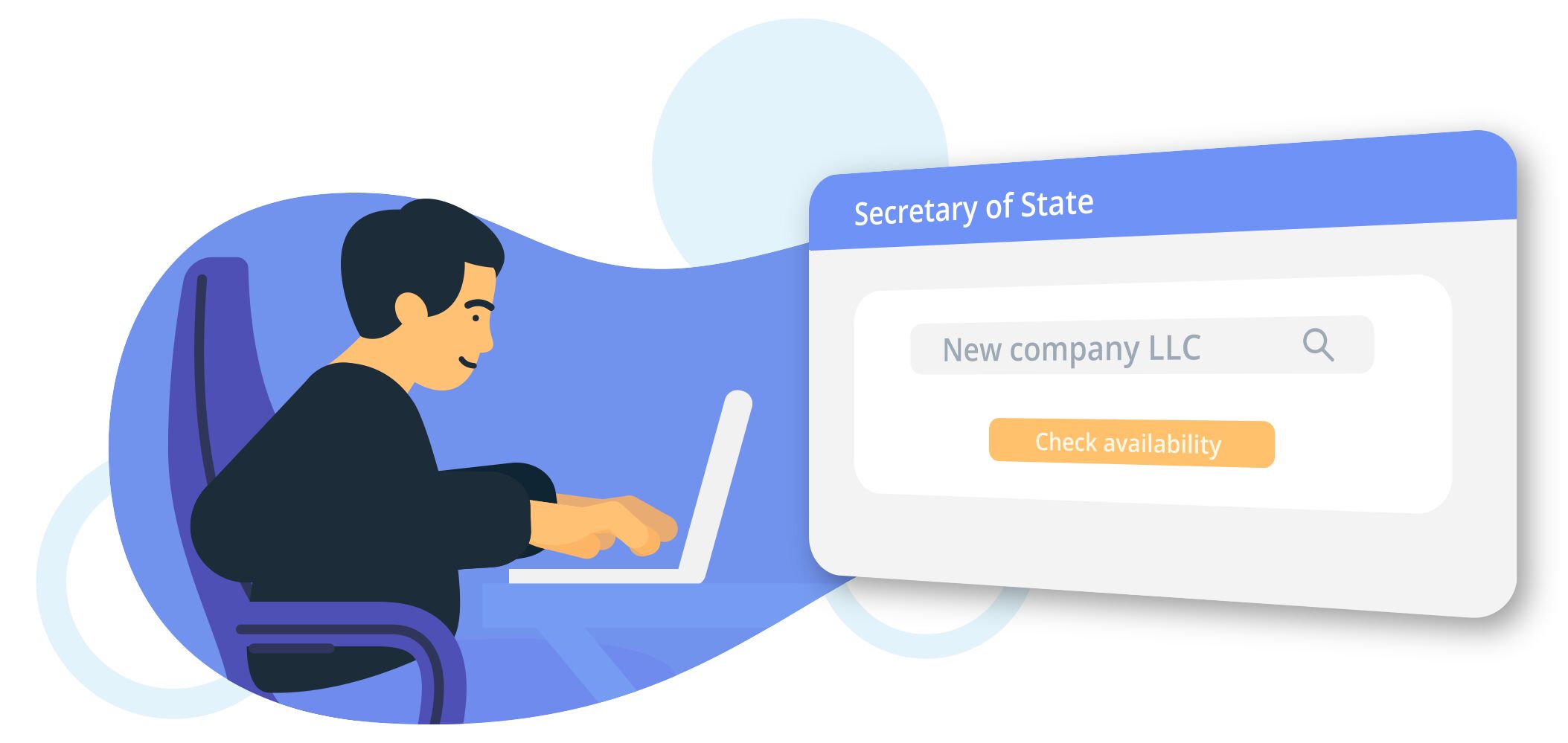
Selecting the perfect business name is your first exciting step in this entrepreneurial journey. Think of it as naming a ship before setting sail. Your business name should resonate with your vision and capture your essence. The name you choose must not only reflect your brand but also adhere to state regulations.
Remember that your LLC's name must include words like Limited-Liability Company, Limited, Ltd., L.L.C., L.C., or their corresponding abbreviations LLC or L.C. This ensures compliance with state naming regulations.
Register your Assumed Business Name
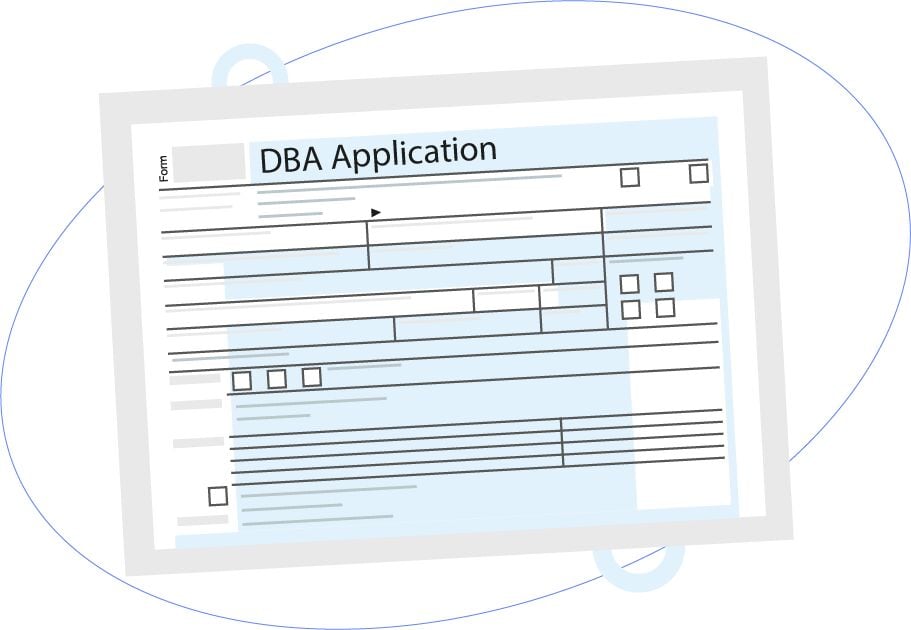
Once you have decided on a name for your company, taking the necessary steps to register and secure it is essential. In most states, if you want to operate under a name different than your legal name, you must fill out a dedicated document and send it to the Secretary of State or fill it with a county clerk.
You can also check if you can reserve your business name before you start operating. Most of the time, reservations will last 120 days.
Generate your website for free
Experience custom website creation like never before. It's quick, it's free, and it's tailored just for your business.
No worries – we'll have everything done in under a minute

Create account for free
Decide on a business structure
Choosing your company structure is a pivotal decision, shaping the very foundation of your business. It impacts legal responsibilities, taxation, management, and growth strategies. Here, we'll explore three common options:
-
Sole Proprietorship: The simplest form, perfect for solo entrepreneurs. As a sole proprietor, you enjoy complete control but bear full personal liability for business debts.
-
Limited Liability Company (LLC): An ideal blend of simplicity and liability protection. LLCs offer the flexibility of sole proprietorship while shielding your personal assets from business liabilities. It's a popular choice for small businesses.
-
Partnership: When two or more individuals team up, partnerships emerge. They can be general (where all partners share liability) or limited (where some partners have limited liability). Partnerships provide shared decision-making but can involve complex agreements.
These structures have distinct advantages and considerations. The key is selecting the one that aligns best with your unique business goals and vision.

Register your business
Registering your business is fundamental in giving it legal recognition and ensuring adherence to state requirements. The procedure can vary based on your chosen business structure. There are always different registration specifics depending on your business structure, so make sure you do everything that your state requires from you.

Consider creating an operating agreement
An operating agreement can provide valuable benefits to certain business, such as Limited Liability Companies, Limited Liability Partnerships, and Limited Partnerships.
Creating operating agreement is strongly recommended as it helps establish internal structure, ownership rights, and operational procedures. When it comes to LLPs, having an operating agreement is crucial in determining partner rights, profit allocation, and various operational aspects. Additionally, LPs may find it necessary to have an operating agreement as it allows for outlining partner roles, profit distribution, decision-making processes, and dissolution procedures.

Obtain EIN
Securing an Employer Identification Number (EIN) is a pivotal step in business registration. This unique nine-digit number, also known as a Federal Tax ID Number, is crucial for your business's identity, similar to how a social security number works for individuals.
An EIN is required for several reasons:
-
Taxation: It's used to file federal taxes, withhold employee taxes, and report business income.
-
Hiring Employees: If your business plans to hire employees, an EIN is necessary for payroll and tax withholding.
-
Opening Business Bank Accounts: Most banks require an EIN to open a business bank account, separating personal and business finances.
-
Legal Compliance: It's needed for legal documentation, contracts, and specific business licenses.
The application process is typically straightforward and can be done online through the IRS website. Once you have your EIN, you'll use it for various financial and legal purposes to ensure your business operates smoothly and complies with tax regulations.

Obtain licenses and permits
This process involves identifying the specific permits your business needs, adhering to local zoning laws, and fulfilling state regulatory requirements. Properly securing these licenses and certificates ensures your business operates legally and avoids potential issues down the road.
Remember to check if your state requires a general business license and always check for licenses and permits you may need on state and local levels.

Acquire customers
Now that your business is running, strengthen your online presence with IKOL. Get your domain, build a professional website, and expand your reach. Unlock growth opportunities today!