How to Start a Pest Control Business
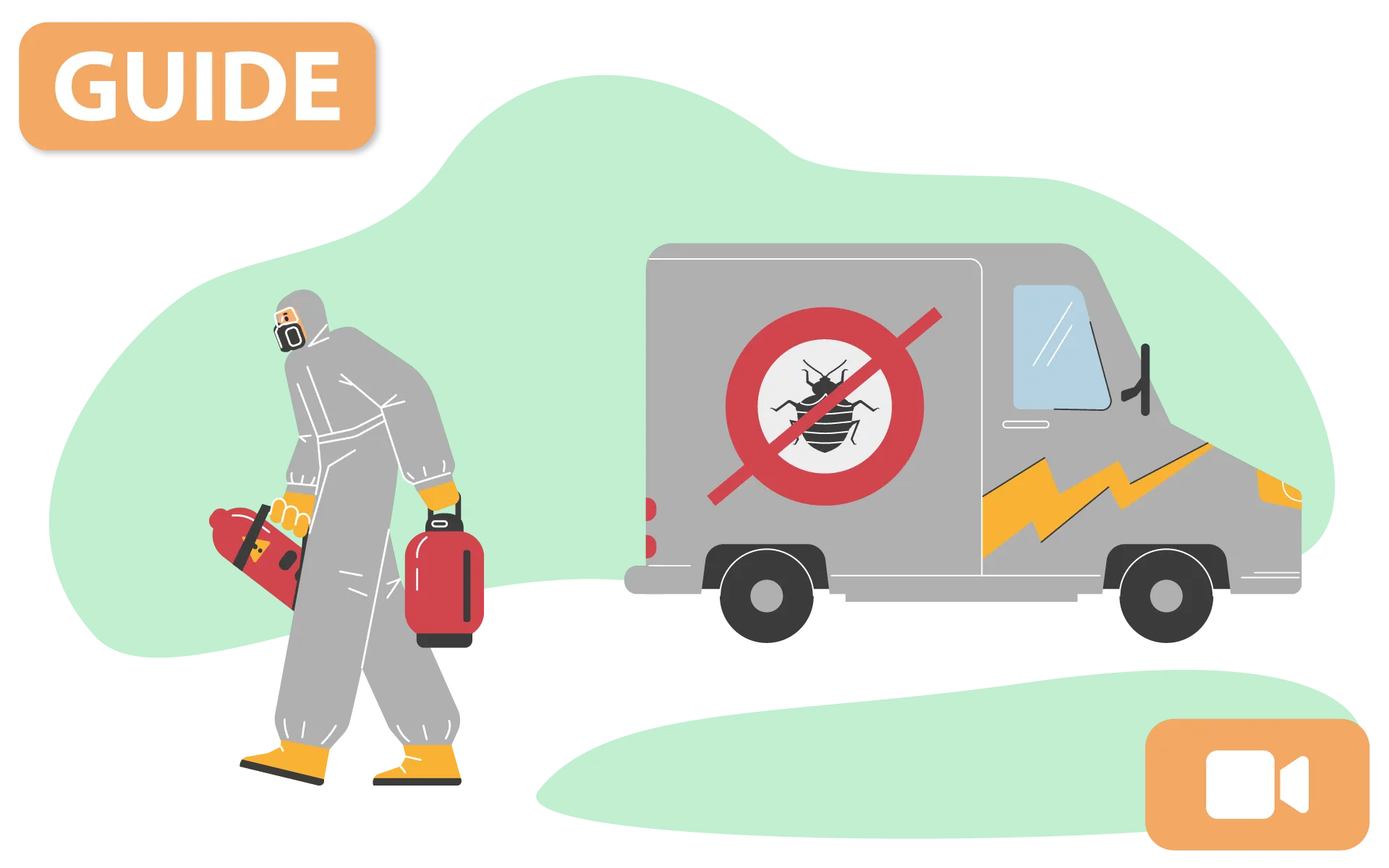
Let’s be honest, nobody wants to share their home with cockroaches, rodents, or termites. While the DIY market is huge, most homeowners quickly realize that there is a massive difference between buying a can of spray at a hardware store and actually solving an infestation.
The real opportunity in how to start a pest control business lies in that gap. People are more than willing to pay a premium for a professional to handle the "dirty work," rather than risking their own health or their family’s safety by handling complex chemicals they aren't trained to use. If you are ready to move past just "having a job" and want to own a scalable, high-profit company, here is exactly how to get started.
Is pest control right for you? A reality check
Pest control is a stable and profitable business because homeowners always need help with bugs. However, the work is often dirty and hazardous, requiring tough physical labor and strict legal licensing. It is a rewarding trade for those willing to trade hard work for a steady paycheck.
The pros
- Recurring revenue: Pest control isn't a "one and done" service. Breaking a pest's life cycle requires quarterly or monthly visits, providing you with a predictable, steady paycheck.
- Essential demand: Unlike luxury renovations, pest control is a "must-have." When a homeowner sees a rat, they don't wait for a better economy to call you.
- High profit potential: While equipment costs money, the actual cost of chemical applications is relatively low per job. You are primarily charging for your expertise and labor.
The cons
- Heavy regulation: This is not a "start today, spray tomorrow" business. You’ll need state-specific licenses (like a Qualified Applicator License), strict record-keeping, and environmental compliance.
- Hazardous work: You will be in cramped crawlspaces and handling toxic substances. It requires a high level of physical endurance.
- Insurance costs: Because of the risk involved, you’ll need specialized coverage, including Pollution Liability and General Liability, which can be pricier than standard business insurance.
Learn the job first
Before you buy your first gallon of pesticide, you have to realize you aren't just a "bug killer." You’re a technician handling substances that directly affect the environment and the health of families.
It is honestly best to start by working for an established pest control company first. This lets you see firsthand how to start a pest control business, learning how to handle different infestations and the chemical side of the business without taking on the massive financial risk of owning the company yet. Pest control is definitely not a DIY project; you usually have to pass a certification exam because you need to understand both the biology of the pests and the chemistry of your products. If you misidentify a bug or use the wrong concentration of a chemical, you aren't just failing at a job—you’re risking someone's health.
Make your business official
You also can’t skip the "boring" legal work. Before you take your first solo job, make sure your business is legally registered and fully insured. Once you’re set up, don’t try to be everything to everyone everywhere. It is crucial to do your research first to find out exactly where help is needed and what kind of pests are causing the most trouble in those spots. Driving two hours for a $100 job will kill your profit, so use that research to pick specific neighborhoods and stay there. Keeping your service area tight is the only way to keep your travel time low and your efficiency high.
Invest in the right tools
Invest in the essentials first. Your equipment defines your reputation, so you need a professional toolkit that ensures the job is done right from day one.
Physical tools
- Application gear: A high-quality B&G compression sprayer and a backpack sprayer for exterior perimeters.
- Detection tools: A high-lumen UV flashlight for tracking rodent urine or bed bug shells, and a moisture meter for termite inspections.
- The Vehicle: clean, branded truck with a chemical-resistant bed liner or spill containment trays to ensure safe transport and easy cleanup.
Digital tools
As your business grows, your tools shift from physical to digital. Pest control software helps you manage bookings, track jobs, and stay organized. Once you start hiring, field service management becomes essential to keep your technicians on schedule. Without the right pest control software, paperwork and scheduling can quickly get out of control.
Get your first job
To get your first customers, you need to show up when people need help fast. When someone finds a rat or an infestation, they don’t spend time comparing options. They search “pest control near me" and call one of the first businesses they trust.
That’s why local search visibility is so important. Tools like IKOL help you manage your online presence to ensure you show up in those local results, while also providing the platform to build a website that turns those searches into jobs. Your site should be clear and easy to navigate, with your services broken down so people can quickly find what they need. Someone dealing with squirrels has a different problem than someone with cockroaches, and your site should reflect that expertise.
At the same time, don’t ignore simple local marketing. Business cards or flyers in local hardware stores still work. A clean social media presence helps, especially if you show how you handle jobs safely and professionally. It builds trust before a customer even contacts you.
How to stand out
Running a great business is about more than just doing the job; it’s about how you treat your customers and handle your leads. Use these simple tips to build trust and grow your profits.
- Sell peace of mind: Don’t just tell a customer you’re spraying a baseboard. Explain that you are creating a protective barrier for their children and pets.
- Focus on exclusion: The real value is in preventing pests from returning. Charging to seal entry points or fix small gaps increases your "ticket price" per house and leads to better long-term results.
- Be the first to answer: Most local businesses lose 50% of their leads simply by not answering the phone. Use automation tools to send instant booking confirmations and updates.
Frequently asked questions
Is starting a pest control business profitable?
Yes. It offers high profit potential due to low chemical costs and recurring revenue from monthly or quarterly service contracts.
Do I need a license to start a pest control business?
Absolutely. This is a heavily regulated industry. You must pass certification exams to prove you understand pest biology and chemical safety, and you’ll need state-specific licenses to operate legally.
How should I get started if I have no experience?
Work for an established company first. It’s the best way to learn pest biology and chemical safety without taking on financial risk.
What essential equipment do I need to get started?
You’ll need a professional sprayer (like a B&G), detection tools (UV flashlight, moisture meter), and a branded truck with a chemical-resistant liner.
How do I get my first customers?
Focus on local SEO and "near me" searches. Most leads come from people needing immediate help, so a fast-loading website and quick response times are key.
Do I really need software?
Yes. Pest control software like IKOL automates your scheduling and leads, preventing you from losing customers simply because you didn't answer the phone.
Invest in reliable software
Building a pest control business is a high-stakes, high-reward journey that requires equal parts grit and professional responsibility. Because bugs are a constant reality for homeowners, there is always a steady demand for experts who can provide peace of mind.
By using smart tools like IKOL, you can easily build your website, manage your local SEO, and organize your growing team—allowing you to focus on the field while the software handles the office.
👉 Start today👈 and let IKOL help you build a pest control business that stands for safety, reliability, and growth! 🛡️🪳