How to Start a Fitness Business
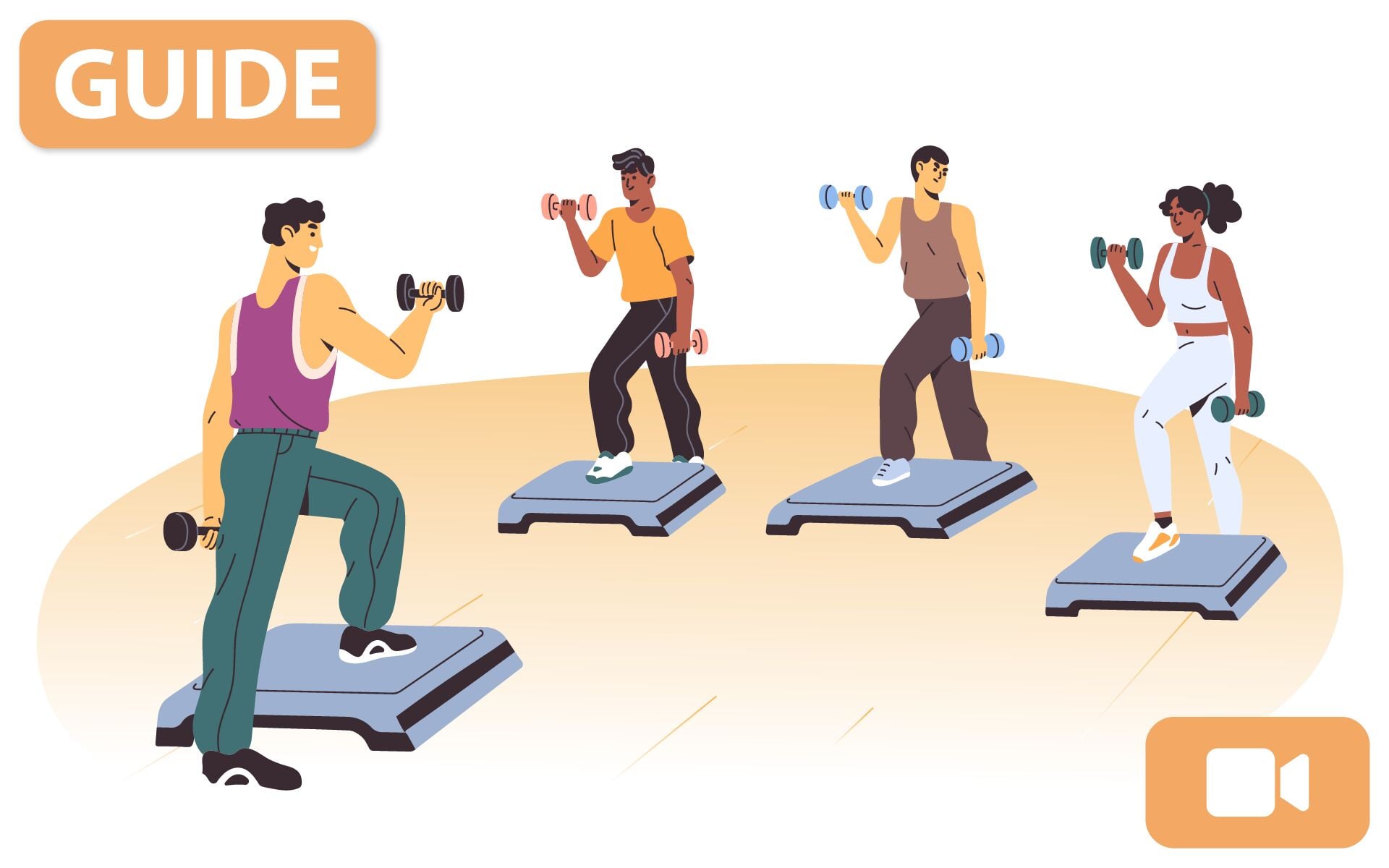
Starting a fitness business is about more than opening a gym or working as a personal trainer. It’s about creating a service that helps people feel healthier, stronger, and more confident, while also building a reliable income for yourself. The fitness industry continues to grow because health isn’t a short-term trend. It’s a long-term priority for individuals, families, and communities.
Many people are drawn to fitness because it combines passion with purpose. If you enjoy helping others, staying active, and learning how the body works, this field can be deeply rewarding. But passion alone isn’t enough. Like any business, long-term success depends on planning, structure, legal setup, and a clear strategy.
In this guide, you’ll learn what a fitness business really is, why it can be a strong business opportunity, and a clear, step-by-step plan to help you start the right way.
What is a fitness business?
A fitness business offers services or products that help people improve their health, fitness, or overall well-being. This can include personal training, group classes, online coaching, gyms, studios, wellness programs, or more focused services like mobility training or weight loss support.
Today, fitness businesses aren’t limited to physical locations. Many successful coaches and trainers work online or use a hybrid model, combining in-person sessions with digital programs, apps, and video calls. This approach makes it easier to reach more people and often lowers startup costs.
At its core, a fitness business exists to solve a problem. People want to feel better, move more easily, and live healthier lives. Your role is to guide them toward those goals in a safe, structured, and motivating way.
Why starting a fitness business is a smart move
The demand is consistent and growing 📈
Health challenges like obesity, stress, and sedentary lifestyles continue to rise worldwide. More people are actively looking for guidance, accountability, and structured programs. Fitness is no longer seen as optional. It’s an important part of preventive healthcare and mental well-being.
Low barrier to entry compared to other industries 🚪
You don’t need a large amount of capital to get started. Many fitness businesses begin with basic certifications, insurance, and minimal equipment. Online coaching, mobile training, or renting space allows you to start small and grow over time.
Multiple income streams are possible 💰
A fitness business doesn’t rely on just one source of income. You can earn through one-on-one training, group classes, online programs, digital products, memberships, workshops, or partnerships.
Strong personal branding opportunities ⭐
In fitness, people often choose the coach as much as the service. Your personality, expertise, and values can become part of your brand, helping you build trust and long-term relationships with clients.
Meaningful and rewarding work ❤️
Helping someone improve their health, confidence, or mobility can be deeply rewarding. Many fitness business owners experience high job satisfaction because they see real, positive changes in their clients’ lives.
How to start a fitness business
1️⃣Research the fitness market
Before you invest time, money, or energy, it’s important to understand the market you’re entering. Knowing your audience, competitors, and opportunities will give your business direction and help you avoid costly mistakes. This step is all about seeing the bigger picture: who needs your services, what solutions already exist, and where there’s room for you to stand out.
-
Identify who you want to serve and what problems they are trying to solve
-
Look at local gyms, trainers, studios, and online coaches in your area
-
Study pricing, services offered, and client reviews
-
Identify gaps where client needs are not fully met
💡 Tip:
Talk directly to potential clients. Short conversations often reveal more than online research alone.
2️⃣Choose a specific fitness niche
Trying to appeal to everyone usually leads to unclear messaging and weak results. Choosing a niche gives your business focus, makes marketing easier, and helps you attract the right clients. A clear niche should align with your skills, interests, and the needs of your target audience.
-
Choose a niche that matches your skills, interests, and experience
-
Make sure there is real demand and people are already paying for similar services
-
Think about who you enjoy working with long term
-
Consider how clearly your niche can be explained in one sentence
💡 Tip:
If you can’t explain your niche simply, it’s probably too broad.
3️⃣ Get proper certifications and education
Professional knowledge is essential in the fitness industry. Clients are trusting you with their health, safety, and progress, so having the right education is critical. Certifications and ongoing learning not only protect your clients but also build your credibility and confidence as a trainer.
-
Choose a recognized certification from a reputable organization
-
Add specialized education if your niche requires it
-
Learn proper exercise technique, program design, and safety principles
-
Stay updated with ongoing education and industry standards
💡 Tip:
Clients may not know certification names, but they notice confidence and competence.
4️⃣ Define your business model
Your business model determines how you work, how you earn income, and how your day-to-day life looks. Choosing the right model early helps you avoid burnout and build something you can maintain long term. It should support both your financial goals and the lifestyle you want.
-
Decide if you will train in person, online, or use a hybrid approach
-
Consider offering group training, memberships, or one-on-one coaching
-
Think about startup costs, time commitment, and how easily the model can scale
-
Align your model with your lifestyle, energy levels, and long-term goals
💡 Tip:
Pick a model you can maintain on your worst week, not your best one.
5️⃣ Register your business legally
A proper legal setup creates structure and professionalism from day one. It helps protect you, keeps your finances organized, and shows clients that you’re running a legitimate business, not just a side project. Taking care of this early prevents bigger issues later.
-
Choose a business structure that fits your local regulations
-
Register your business name and obtain any required licenses
-
Open a separate business bank account
💡 Tip:
Mixing personal and business finances often causes problems later.
6️⃣ Get Insurance and Legal Protection
Fitness involves physical activity, and even with proper coaching, injuries and misunderstandings can happen. Insurance and basic legal protection reduce risk and help you operate with confidence, knowing you’re covered if something goes wrong. This is a non-negotiable part of running a professional fitness business.
-
Get professional liability insurance
-
Check if your gym, facility, or location requires proof of coverage
-
Review and update your coverage as your services and client base grow
💡 Tip:
Insurance protects your future, not just your present.
7️⃣ Set clear pricing and packages
Pricing plays a major role in how clients perceive your professionalism and the value of your services. Clear, confident pricing also determines whether your business is sustainable long term or constantly stressful. When prices are too low, you attract the wrong clients and burn out faster.
-
Create simple, easy-to-understand packages or memberships
-
Avoid underpricing out of fear, comparison, or lack of confidence
-
Ensure your pricing covers your time, expenses, and growth goals
💡 Tip:
If clients never hesitate at your price, it may be too low.
8️⃣ Build your brand and online presence
Your brand is how people quickly understand who you help, what you stand for, and why they should trust you. A strong brand does not need to be flashy. It needs to be clear, consistent, and honest so potential clients immediately know if you are right for them.
-
Define your message, values, and tone so your communication feels consistent
-
Create a simple website or landing page that explains what you offer
-
Clearly explain your services, process, and the results clients can expect
-
Use social media to educate, share insight, and build trust rather than just promote
💡 Tip:
Clear beats clever when you’re starting out.
9️⃣ Create a client onboarding system
A smooth onboarding process sets expectations and builds trust from the very first interaction. When clients understand how things work, they feel more confident, supported, and committed to the process.
-
Assess each client’s goals, current fitness level, and any limitations or injuries
-
Clearly explain expectations, session structure, communication methods, and boundaries
-
Use contracts, waivers, and informed consent forms to protect both sides
-
Set clear short-term milestones and long-term goals so progress feels measurable
💡 Tip:
Confusion early leads to problems later.
🔟Plan Your Marketing
Marketing works best when it feels natural. Instead of trying to convince everyone, focus on clearly communicating who you help and how you help them.
-
Share helpful, educational content that answers real questions
-
Show genuine client progress and honest stories, not exaggerated claims
-
Explain your methods, values, and coaching philosophy in simple terms
-
Focus on solving specific problems rather than following short-term trends
💡 Tip:
Speak to one person, not an audience.
⭐ Track Finances and Trends
Long-term success in a fitness business depends on paying attention to what’s happening behind the scenes. Tracking your numbers and industry trends lets you make decisions based on facts, not guesswork, and helps you stay ahead of changing client needs.
-
Track your income, expenses, and client retention regularly
-
Review which services, packages, or programs perform best
-
Monitor trends in the fitness industry, client preferences, and local demand
-
Adjust pricing, offers, and marketing based on real data and observed trends
💡 Tip:
Numbers remove guesswork, and trends show you where to adapt next.
Conclusion
Starting a fitness business can lead to long-term income, meaningful client relationships, and opportunities to grow both online and in person. With the right planning, a clear niche, and strong systems in place, you can turn your passion for fitness into a sustainable and profitable business that genuinely improves people’s lives.
Whether you begin with a few personal training clients or grow into group programs, online coaching, or a full studio, success comes down to preparation, consistency, and delivering real results. With IKOL, you can stay organized using a professional website, online bookings, payments, and client management tools all in one place, helping you run your business smoothly and build trust with every client.
👉 Start today 👈 and let IKOL support you in building a fitness business that helps people move better, feel stronger, and live healthier lives.