Recession-Proof Businesses: 10 Ideas That Prosper During a Downturn
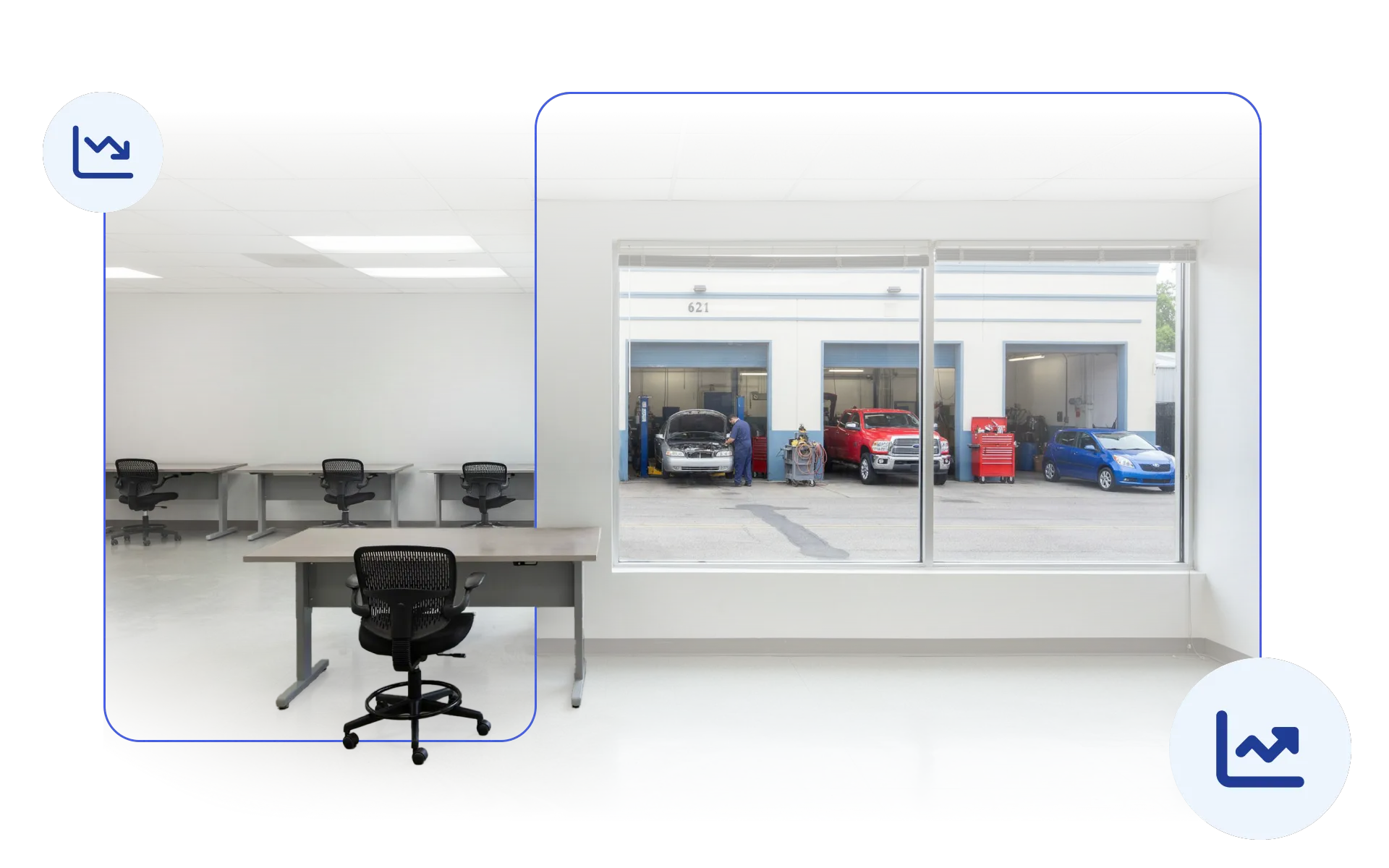
When a recession hits, its effects on the economy are widely felt across most industries. In the roughest terms, it means less of everything – less money spent by families, fewer job positions available, and tighter access to financing. Its occurrence is a matter of "when" rather than "if." Although the impact of a recession varies from one industry to another, a downturn undoubtedly introduces a challenge that businesses often aren’t prepared enough for.
That’s why a recession-proof business can be a smart idea for entrepreneurs aiming for stable careers and a reduction of unexpected risks. While no company will ever be fully immune to economic downturns, there are business types that remain profitable under such circumstances.
In this article, we’ll take a look at ideas for businesses that can thrive during a recession. As we explore, we’ll also learn what makes them particularly resilient and not as dependent on a strong economy.
What makes a business recession-proof?
We can discern several characteristics that recession-proof businesses share:
- Addressing basic needs: The services or products provided by those businesses are necessary for daily life, regardless of the economic situation. They operate steadily due to consistently high demand.
- Cost-saving value: Customers are more careful with how they spend their money during a recession. For that reason they choose businesses that help them save money and offer repairs or restoration over new products.
- Low overhead: Without substantial fixed costs, lower revenue is not as restrictive. This leaves recession-proof businesses with more flexibility.
- Strong local demand: With a local provider available, customers may find it difficult to find a cheaper alternative elsewhere. That’s why reliable providers of services tied to homes or communities maintain a loyal clientele.
- Adaptability: As the economic situation changes, so may customer needs. Some businesses can capitalize on that by adjusting their prices, introducing new services, or offering additional delivery methods.
On top of these characteristics, recession-proof businesses also provide AI proof jobs. They will commonly require hands-on skills and personal involvement, which technology cannot easily replace. This further presents them as stable business options for new entrepreneurs to consider.
Which businesses struggle most during recessions?
With the aforementioned business attributes in mind, let’s first think of the business types that will typically struggle the most during recessions.
The sharpest declines should be expected within discretionary and high fixed cost sectors. Since customers will prioritize spending their money on essential goods, any sales of high-end products or hobby-related items can decrease notably.
For instance, fine dining restaurants are visited less frequently by customers, who instead opt for more affordable home cooking or fast food joints. Similarly, travel and tourism businesses yield lower returns, as families decide to postpone or cancel their vacation plans in order to cut costs. Similar scenarios can be expected to happen with spas, gyms, movie theaters or amusement parks.
Businesses relying heavily on rapid expansion or substantial outside financing may also encounter difficulties. The combination of higher borrowing costs, reduced investment, and declining demand can make established growth strategies less viable.
This doesn't mean these businesses cannot survive a recession. Rather, their performance will be more closely connected to consumer confidence and available disposable income.
10 recession-proof business ideas
These industries are worth considering if you want to start a business that can survive an economic downturn relatively easily.
1. Home repairs
Electrical, plumbing, and heating systems are some of the most essential parts of our homes, required to function regardless of the economic situation. Whenever any part of those systems breaks and affects the customer’s quality of life, they will not hesitate to call a repair professional straight away.
On top of that, homeowners are less likely to make major purchases during a recession and choose to repair existing property instead of replacing it altogether. This creates consistently high demand for plumbers, HVAC technicians, and electricians.
2. Cleaning services
Cleaning is a recurring need for homes, and even more so for offices, stores, schools, and other commercial properties with high foot traffic. With people valuing hygiene and sanitation more after the pandemic, cleaning has become a vital service, especially in public spaces.
For that reason alone, the cleaning industry can be expected to keep growing. The development options for each individual business are also flexible – companies can start small and target customers within a specific community before expanding their offerings or service range.
3. Auto repair and maintenance
For most of us, transportation is yet another integral aspect of our daily lives. Even with the economy slowing down, people will always want to remain confident that they have the means to travel to their workplace, nearby shops, or family members.
As we previously mentioned, repairs are often preferred over new product purchases during a recession. This is especially true for the automotive industry – the demand for vehicle repairs, maintenance, and inspections is typically greater than the demand for newly manufactured cars or bikes.
4. Childcare services
During recessions, working parents will likely find it even more important to focus on their careers. With fewer jobs available elsewhere, they may want to ensure that they’ll keep their current job and financial stability. This can naturally make it difficult for parents to provide childcare at the same time.
Therefore, childcare services become a particularly attractive option for everyone wanting to guarantee their child’s well-being. Home-based provision, daycare centers, and after-school programs are just some examples of services that address such needs.
5. Senior care and home assistance
Similarly, families always look for ways to care for their relatives who are unable to function independently. From elderly family members to people with physical disabilities – each case remains in need of support regardless of broader economic conditions.
Opportunities for a business within this industry depend on local regulations and qualifications. Services may range from in-home assistance with basic activities such as moving around the home, bathing or dressing to professional nursing support.
6. Accounting and bookkeeping
Businesses and individuals still have financial responsibilities during a recession. Taxes need to be filed, transactions need to be recorded, and companies need to understand where their money is going.
That’s why services from accountants, bookkeepers, payroll specialists, and related professionals remain relevant. In fact, with tighter finances, the need for accurate tracking of financial records becomes greater than in times of economic stability.
7. Mental health care
For many individuals, a recession can be particularly stressful, as it causes concerns around the upcoming future. This widespread uncertainty can prompt people to seek mental support, making specialists in this area valuable.
People already receiving mental health care may continue to need regular support even more. At the same time, therapists, psychologists, and counselors can make the services they provide accessible to the new clients by offering flexible appointment options or online sessions.
8. Grocery store
Among shops, grocery stores are arguably some of the most recession-proof businesses. Unlike most other shops, they primarily offer products that will always be sought after – food, drinks, items for personal care, cleaning supplies, and other household essentials.
This makes grocery stores more appealing than shops oriented around premium or niche products. Additionally, people may also choose local food stores over restaurants due to meals from a restaurant menu typically being more expensive than ingredients or ready meals from a store.
9. Resale and secondhand businesses
With new products often carrying higher price tags, price-conscious consumers will likely find secondhand products to be more attractive. Resale businesses provide customers with lower-cost alternatives while also offering sellers a way to turn unwanted possessions into cash.
One notable advantage of secondhand stores is the large variety of items sold. People visit such places in hopes of finding everything from clothes, furniture, books, jewelry, small appliances, décor items, and many other types of consumer goods. This versatility combined with lower prices can make businesses operating on resale model especially popular during recessions.
10. Funeral homes
A need for funeral services simply cannot be postponed because of economic conditions. Families may make different choices about the type or scale of a funeral when budgets are tight, but they still require professional services following a relative’s death.
Funeral homes may address different needs related to planning, transportation, ceremonies, burial or cremation arrangements, or other services for grieving families. With the underlying need for their services remaining, each individual business can compete for customers by accommodating specific wishes or cultural traditions.
Summary
There is no business that can guarantee protection from a recession. Economic downturns can affect almost every industry, but they don't affect every business equally. Companies built around essential needs and practical solutions have the most potential as recession-proof businesses. The hands-on nature of many of these industries can also create opportunities for AI proof jobs on top of that.
Entrepreneurs can further increase the odds of managing a successful company by showcasing it online. The most viable way of doing so is through your own professional business website. IKOL lets you generate one in just minutes – it’s matched not only to your business info but also to the web design standards within your industry. On top of that, it comes with comprehensive tools for managing tasks, customers, appointments and payments in one place.
👉Try IKOL today👈and start turning your idea for a recession-proof business into an online presence you can easily maintain even during economic declines.