How to Start a Vending Machine Business: A Beginner’s Guide
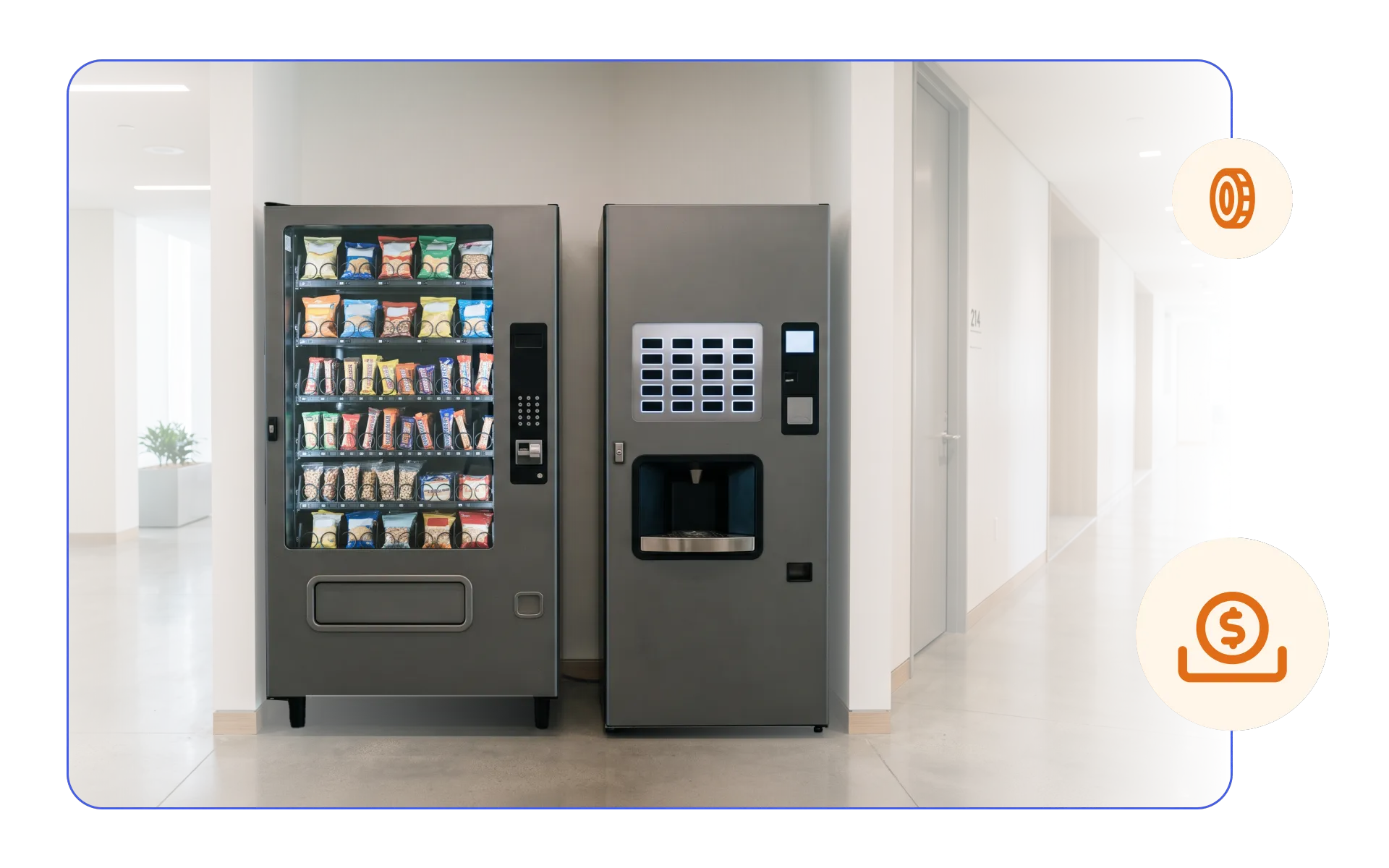
Imagine that you’re running a physical store. Now, picture that store, except it’s open all day and doesn’t have anyone by the cash register. This is basically what vending machines are. If you’ve considered opening a business that generates profit without requiring you to hire large teams or remain in one place over longer periods, then a vending machine business may be right for you.
Nevertheless, this business type still requires thorough preparation and active management. Before starting, entrepreneurs must determine what products to sell and which locations would be most suitable for machines offering said products. In this article, we’ll discuss the most viable options and explain the basic steps you should take before establishing your own vending machine business.
Picking the most profitable vending machine locations
The first thing to look for is consistently high foot traffic, as that factor will greatly influence the business’s profitability. However, while heavily trafficked areas may not be difficult to find, there are other considerations that may significantly narrow down your options:
- Areas with high crime rates or a high risk of severe weather will be unfavorable for outdoor vending machines due to the potential for damage.
- A location may prove suboptimal if nearby shops and facilities already meet the needs of your potential customers.
- For indoor placement, note the building’s access hours. Places that close early mean limited sales opportunities.
- If your machine requires electricity or internet access, then locations with unreliable connectivity and frequent power outages should be avoided.
- Ensure that your vending machine is accessible for restocking, and parking space is available to make replenishing products easier.
Your chosen location should grant passersby convenient access to items that are in high demand but aren’t readily available nearby. Schools are great for selling snacks and drinks, hospital visitors will appreciate a selection of hygiene products, and machines with protein bars will likely prove beneficial when placed inside gyms.
Before you commit to starting your vending machine business, check with property owners to confirm whether placing machines at their locations is actually possible. Explain your offer and the potential benefits, and discuss restocking and maintenance. The owner may charge a rental fee or ask for a percentage of sales in return. Make sure you understand these terms, as they will determine the actual profitability of the location you’re researching.
Selecting the right products to sell
Among different types of products sold through vending machines, the following are some of the most popular:
- Beverages – accounting for approximately
40% of global vending sales, drinks are without a doubt the most versatile option. With options such as water, sodas, iced tea and coffee, beverages appeal to a broad range of customers. - Snacks – they pair well with drinks while also catering to different tastes. Whether people are craving something sweet, salty, spicy, or perhaps healthier, a single machine can offer a diverse selection of snacks that satisfies everyone’s appetites.
- Electronics and phone accessories – people who actively travel may forget to bring such items from home. In emergency situations they may opt for charging cables, power banks, screen protectors, or earbuds. These can typically be found in train stations, airports, and malls.
- Hygiene and personal care products – wet wipes, deodorants and hand creams can address basic hygiene needs on the spot. Larger selection can be beneficial in places such as hotels or care homes, where these needs have to be addressed more regularly.
While vending machines selling products from the abovementioned categories are common, businesses have increasingly been tapping into niche markets. In many cases, the key lies in learning what’s frequently used in the area. For instance, in school or office settings, a business may place a machine that sells pens, notebooks, batteries, or USB flash drives – all consistently needed by students and employees.
When deciding on your inventory, consider more than the difference between wholesale and selling prices. Products with a high markup aren't necessarily the most profitable if they sell slowly. Perishable items may also lead to losses if they expire before customers purchase them.
Business registration, licenses and insurance
Before you register your vending machine business, it’s important to learn about the requirements and regulations that apply in your area. These may depend not only on your location but also on the products you’d like to sell.
For US entrepreneurs, the registration process will most commonly involve registering with the relevant state authority (such as Secretary of State), selecting a company structure, and acquiring an Employer Identification Number (EIN) from the IRS. In some locations, you may also be required to obtain a sales tax permit or a general business license.
There may also be permit requirements that apply specifically to vending machine businesses, which can vary between counties and cities. Additionally, health permits will be essential for the majority of food and drink vendors.
Insurance is another matter to consider, with two insurance types particularly worth mentioning. General liability insurance can cover claims involving your machines injuring a customer or damaging any property you don’t own. Proof of such insurance will be required by most property managers, as it can protect them against potential liability claims related to your vending machines. To cover the cases where it’s your machine getting damaged, you’ll need commercial property coverage as well.
For more detailed instructions on launching a business in the US, check our guidelines for starting a business in each US state, which will help you get started.
What are the day-to-day operations like?
Once you’ve signed placement agreements with property owners and had your machines installed, your work becomes more involved from this point forward. In short, it’s all about keeping your machines operational and sufficiently stocked.
Restocking is among your most regular tasks, although its frequency may largely depend on the sales volume of your machines. This involves purchasing inventory, handling transport, refilling empty slots, and disposing of expired or damaged items.
For that purpose, you’ll need to keep track of your sales. In addition to helping you maintain sufficient supplies, sales data will let you analyze the popularity of each product. Sales reports may encourage decisions around adjusting item prices or excluding underperforming products from your lineup.
Along with taking care of your products, you’ll have to monitor the condition of the machines themselves. Over time, their systems or mechanisms may malfunction, resulting in issues with dispensing, refrigeration, or payments. Detecting and addressing such problems promptly will help you avoid customer frustration, which could otherwise discourage customers from using your machines in the long term.
In order to smoothen the maintenance and restocking across all machines, it’s recommended to plan their locations so you can follow the shortest practical routes. With machines grouped in nearby locations, you can reduce total driving time and transportation expenses.
Launch a website for your vending machine business with IKOL
Once you’ve started a vending machine business, it’s worth exploring ways to reach more property owners and make it easier for them to contact you. Creating your own professional business website will let you achieve this, and IKOL lets you do so in a matter of minutes.
Through a website, you can promote your vending machine placement, servicing, and maintenance services in your area while also describing the types of machines and products you offer. You can also provide your contact information, and include contact forms and chat to let property owners get in touch with you as soon as they discover your business online.
IKOL also comes with a set of team management tools, letting you create, monitor, and delegate tasks to your employees. Each team member’s current task can be tracked through the mobile app, which displays task notes and, when requested, the employee’s location.
👉Try IKOL today👈and find out how a professional online presence and modern digital tools can help you start and manage a vending machine business.
